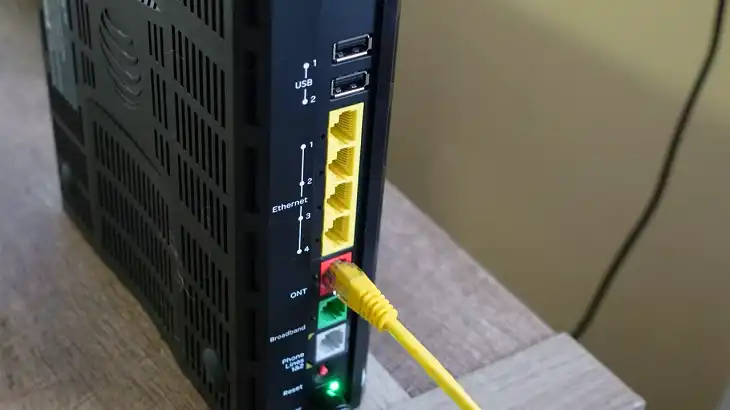
Can You Get Wired Internet in a TV Without an Ethernet Connection?

Can You Get Wired Internet in a TV Without an Ethernet Connection?

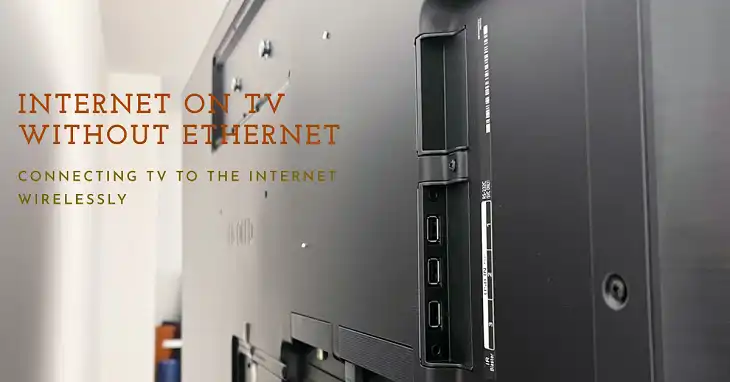
Yes, you can get a wired internet connection on your TV without a built-in Ethernet port by using alternative adapters or external devices. Even if your TV doesn’t have a dedicated Ethernet port, there are multiple ways to establish a stable and fast wired internet connection. From using USB-to-Ethernet adapters to more advanced solutions like…

5. EVGA Vs Corsair Power Supplies

Optoma Projectors Not Detecting HDMI: Troubleshooting Guide

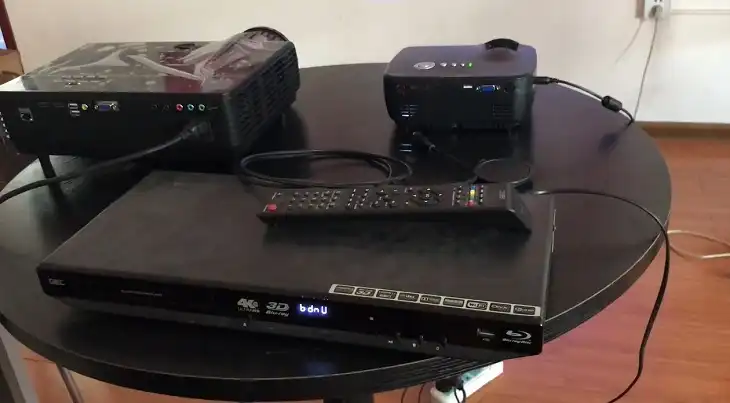
Are you struggling to get your Optoma projector to detect an HDMI signal from your laptop or other devices? You’re not alone.  Many Optoma projector owners have reported frustrating issues with HDMI connections, ranging from “No Signal” errors to intermittent connectivity problems.  While sometimes the fix can be as simple as swapping out a cable,…

EVGA vs Corsair Power Supplies Which One Should You Choose

EVGA vs Corsair Power Supplies: Which One Should You Choose?

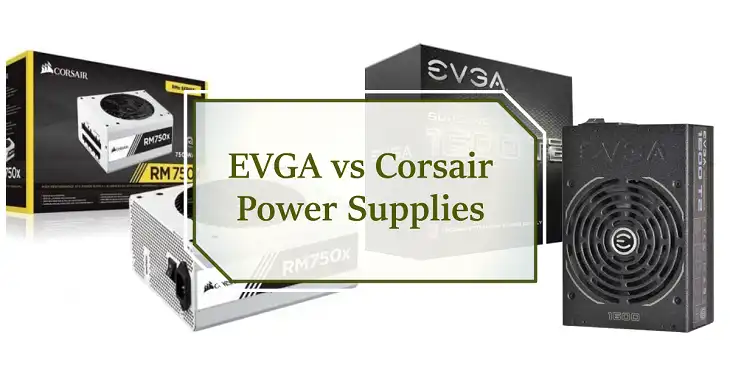
When it comes to building a PC, selecting a reliable power supply unit (PSU) is critical for ensuring stability and longevity for your system. Two of the most respected brands in the PSU market are EVGA and Corsair. Both offer a wide range of power supplies, from entry-level to premium models, with various efficiency ratings…

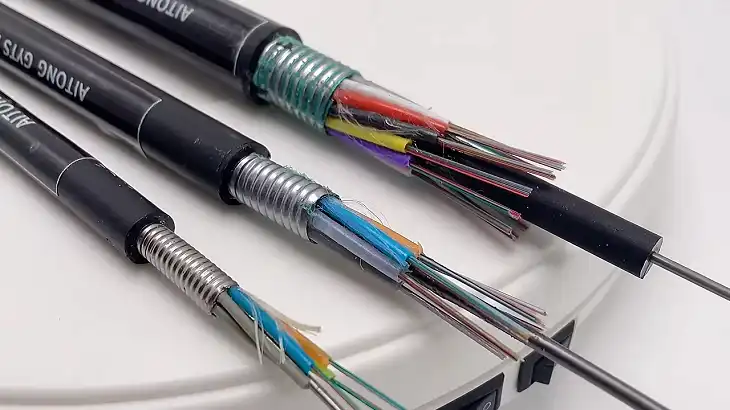
SM Fiber vs MM Fiber Which should You Choose

SM Fiber vs MM Fiber | Which should You Choose?

Fiber optic cables have transformed the way data is transmitted over long distances, enabling high-speed internet, smooth video streaming, and efficient communication in a range of industries. Single-mode (SM) and multi-mode (MM) fiber optic cables are the two primary types used in data communication networks.  While both transmit data using light pulses, they differ significantly…

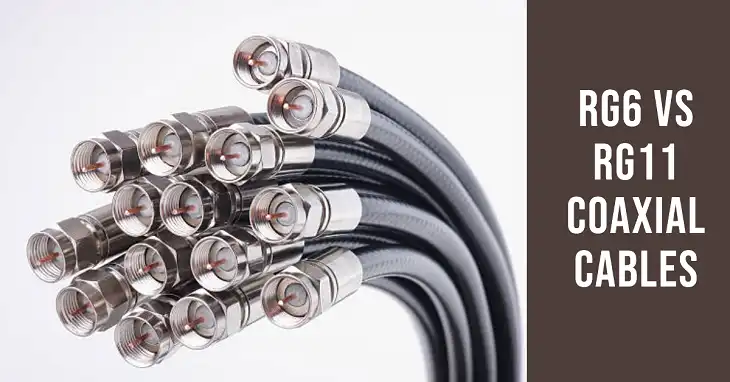
RG6 vs RG11 Coaxial Cables Which One Should You Use

RG6 vs RG11 Coaxial Cables: Which One Should You Use?

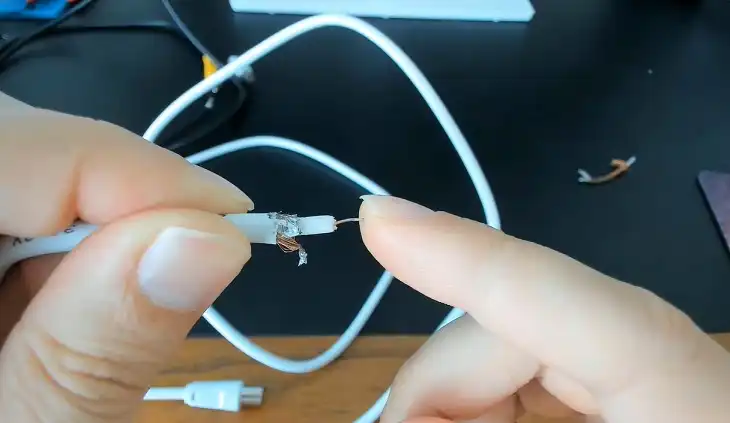
Short Answer: The main difference between RG6 and RG11 coaxial cables lies in their thickness, signal quality, and maximum range. RG11 is thicker, has less signal loss, and is best for longer cable runs, while RG6 is more flexible, easier to install, and works well for shorter distances (under 150 feet). If you’re running a…

Single Mode Vs Multimode Fiber

Single Mode Vs Multimode Fiber

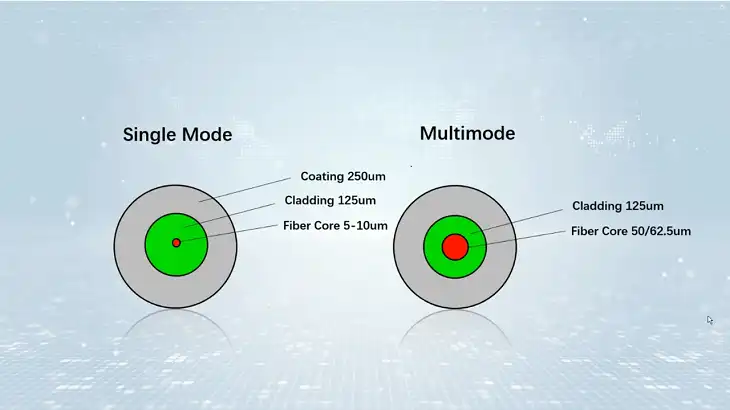
Fiber optic cables are the backbone of modern communication systems, providing high-speed data transmission over vast distances. There are two primary types of fiber optic cables: single mode and multimode.  While both serve the same purpose of transmitting data via light signals, they differ significantly in their construction, performance, and applications. In this article, we’ll…

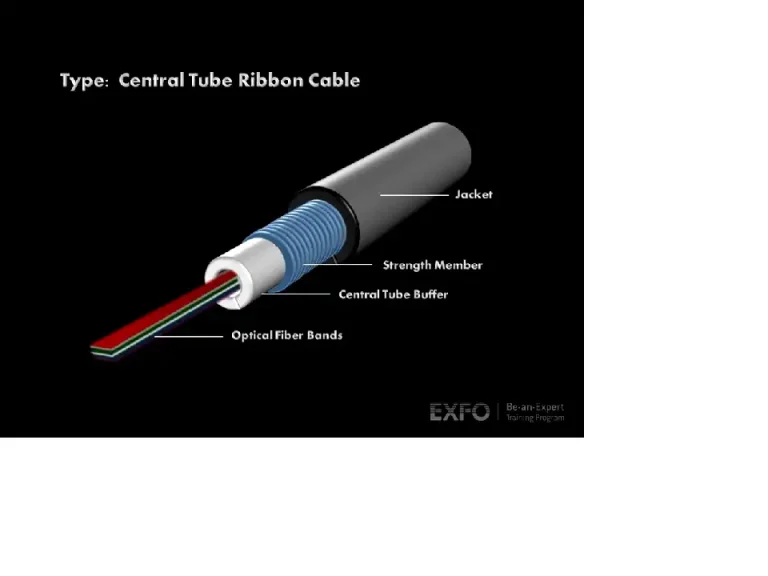
Loose Tube Vs Ribbon Fiber

Loose Tube Vs Ribbon Fiber

Optical fiber cables are essential in modern data transmission, powering applications from telecommunications to internet infrastructure. Within fiber-optic technology, loose tube and ribbon fiber are two primary cable structures that have distinct advantages depending on deployment needs.  In this article, we’ll break down the main differences, applications, and benefits of each type, and include tables…

Coaxial Speakers vs. Mid-Range Speakers The Audio Battle

Coaxial Speakers vs. Mid-Range Speakers | The Audio Battle

When comparing coaxial speakers to mid-range speakers, it’s essential to understand their design, purpose, and performance in audio systems. Both types of speakers serve different roles in sound reproduction, making them suited for distinct audio setups.  Coaxial speakers combine multiple audio drivers into a single unit, aiming for an all-in-one solution. In contrast, mid-range speakers…